Wildlife Of The UK
Here are all of my favourite images I've taken at home. I think the UK wildlife at times can be massivley underappreciated, we are so lucky to have so many beautiful species. My love for wildlife began at home so its my duty to share the beauty of this land through my photographs. From stunning Kingfishers, Foxes, Bats, Badgers, Reptiles, Insects, Squirrels and so many birds.

Red Fox
One of the UK’s most iconic animals. They are predominantly crepuscular meaning they are most active during dawn and dusk, but as they adapt they can be found more regularly during all hours.
Foxes diets consist of small mammals, birds, insects, and fruit, which contributes to their success in both rural and city environments.

European hare
Hares are known for being England's fastest land mammal, reaching speeds of up to 40 mph to escape predators, and are famous for "mad March hare" boxing behavior, which is actually female hares warding off males. Hares live in shallow ground scrapes called "forms," not burrows, and are solitary animals with long ears, powerful hind legs, and reddish-brown fur.
The two main UK species are the brown hare, widespread on lowlands, and the mountain hare, found in upland areas with a white winter coat.

Common Kingfisher
The kingfisher is one of the UK’s most beautiful birds. Their striking colours really do stand out but they are extremely fast so sometimes all you see is the electric blue stripe that runs down their back. They are typically found next to calm rivers and ponds, waiting on a branch to catch small fish and aquatic insects. Kingfishers are mostly vulnerable to water pollution, which includes rubbish and nasty chemicals.

Short Eared Owl
Short eared owls are another crepuscular animal, hunting usually around dawn and dusk but can also be found during all hours of the day, at certain times of the year. Many short-eared owls migrate to the UK from colder northern Europe, especially from Scandinavia and Russia, to escape harsh winters.

Barn Owl
Due to their asymmetrical ears allowing them to judge both direction and distance along with their heart shaped face which acts like a satellite dish, they can hear a rodents heart beat from up to 30 feet away. Barn owls are completely silent when they fly, allowing them to ambush their prey.

Grey Squirrel
The grey squirrel was introduced from North America back in the late 1800’s when sailors brought them back on ships. They typically have two litters a year, of up to three or four kits at a time., don't truly hibernate and can live several year


Eurasian Beaver
Beavers once thrived and were widespread in England until they were hunted to extinction for their meat and fur in the 13th century. They reintroduced into England in Kent, back in 2002 and since their numbers have grown massively and they are spreading out around the country. They are now protected in England, Scotland and Wales.
Bempton Cliffs Yorkshire
Puffins, Razorbills and Gannets

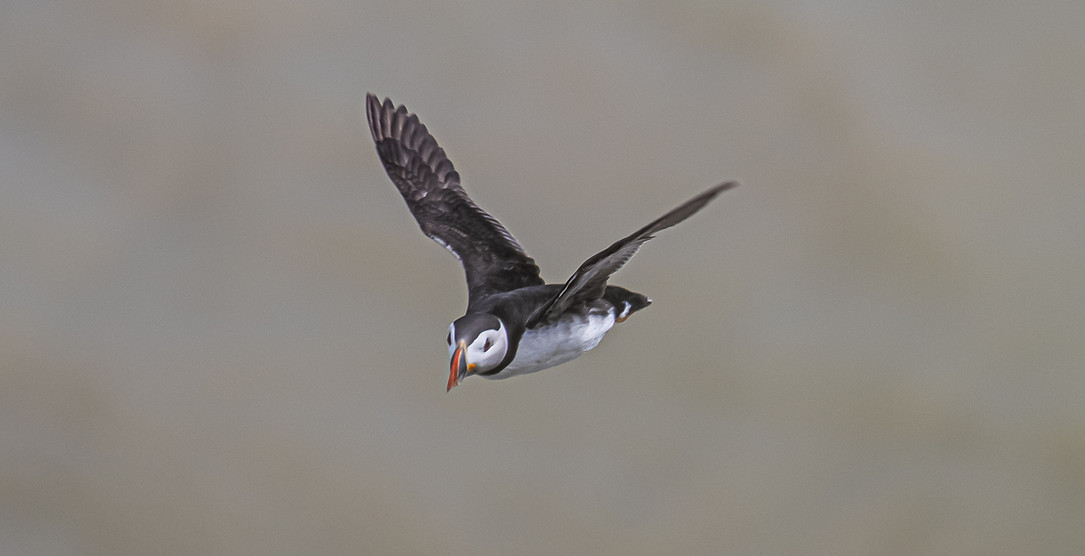
Atlantic Puffins
Puffin season in the UK typically spans from late March to late July.
puffins are brightly coloured little Sea birds which nest on Costal cliffs and spend their winters out at sea in the Atlantic or North Sea, bulking up on fish. They can be seen in colonies along the coasts of Scotland, northern England, Wales, and southwest England during breeding season which spans from late March to August. A puffin chick is called a Puffling.